

Ranking in the top three positions used to be the finish line for SEO success. Today, it is merely the starting point. Modern Search Engine Results Pages (SERPs) are crowded with AI Overviews, Local Packs, People Also Ask (PAA) boxes, and video carousels that push organic blue links below the fold. For a beginner, understanding SERP insight means moving beyond simple rank tracking to analyze the actual environment where your brand appears. If you occupy position one but a Featured Snippet and three sponsored ads sit above you, your actual visibility is lower than a position four result on a cleaner page.
The Anatomy of a Modern Search Result
A SERP is no longer a static list of ten links. It is a dynamic interface that Google adjusts based on the perceived intent of the user. To gain meaningful insight, you must categorize what you see into three distinct layers: paid elements, organic features, and traditional listings. Each layer requires a different tactical response.
Best for: Identifying why traffic is dropping even when rankings remain stable.
Decoding Search Intent Through SERP Layout
The layout of a SERP tells you exactly what type of content Google wants to reward. If a search for "best CRM software" yields a page full of listicles and comparison tables, Google has identified this as a "commercial investigation" intent. Trying to rank a single product landing page here is an uphill battle. Conversely, if the SERP is dominated by "How-to" videos and bulleted lists, the intent is informational. Your SERP insight should dictate your content format before you write a single word of copy.
Identifying High-Impact SERP Features
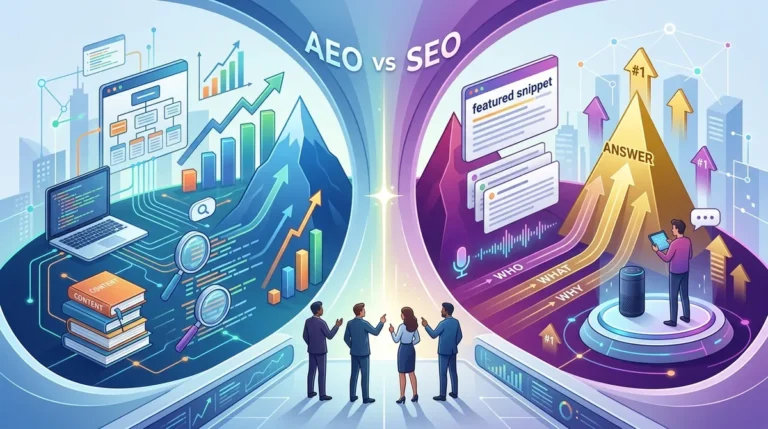
SERP features are non-traditional results that provide information directly on the page. For a beginner, these represent both a threat to click-through rates (CTR) and an opportunity for massive visibility. Monitoring these features allows you to pivot your strategy from "ranking" to "dominating the screen."
- Featured Snippets: Often called "Position Zero," these provide a direct answer to a query. Winning this requires concise, well-structured HTML lists or paragraphs that directly answer a specific question.
- People Also Ask (PAA): These expanding accordions reveal the secondary questions users have. Analyzing these provides a roadmap for subheadings in your content.
- Local Packs: For businesses with a physical presence, the map pack is the most valuable real estate on the page, often appearing above all organic results.
- Knowledge Panels: These appear on the right side of the desktop SERP and pull data from Wikidata and official sources to verify a brand's authority.
Warning: Beware of "Zero-Click" searches. If a SERP feature provides the full answer (like a currency converter or a weather report), your organic link may get zero traffic despite ranking #1. In these cases, targeting that specific keyword may have a low ROI.
Competitive Benchmarking Beyond the URL
Practical SERP insight requires looking at who is winning the features, not just who is ranking near you. Use a tool like AEO Rank Tracker to see which competitors are consistently capturing the Featured Snippet or appearing in the Image Pack. If a specific competitor dominates the PAA boxes for your core keywords, they are effectively controlling the user's discovery journey.
Analyze the "Pixel Depth" of your rankings. A position 3 result that is 400 pixels down the page is significantly more valuable than a position 3 result that is 1,200 pixels down the page due to heavy ad placement. Measuring the actual vertical space your brand occupies provides a more accurate metric for "Share of Voice" than a simple numerical rank.
Operationalizing Your SERP Data
Once you have gathered insights, you must translate them into technical and creative adjustments. This is where SEO moves from observation to execution. If you notice that competitors are outranking you because they have "Review Schema" (the gold stars in search results), your immediate action item is to implement structured data on your own pages.
Optimizing for the "Double Dip"
One of the most effective strategies for beginners is the "Double Dip": ranking in the traditional organic list while simultaneously holding the Featured Snippet. This requires aligning your page's H2 and H3 tags with the specific questions found in the PAA boxes. By providing a clear, 40-60 word summary at the top of a section, you increase the likelihood that Google will scrape that content for the snippet, effectively giving you two entries on page one.
Monitoring SERP Volatility
SERPs are not permanent. Google frequently tests new layouts or rotates features. A sudden drop in traffic might not be a ranking penalty; it could simply be Google introducing a new "Products" carousel that pushes organic results further down. Consistent monitoring allows you to distinguish between a content quality issue and a structural change in the search environment.
Building a SERP-First Workflow
To move from a beginner to an intermediate practitioner, stop looking at rankings in a vacuum. Start your weekly reporting by looking at the SERP landscape for your top ten "money" keywords. Note any new features, changes in ad density, or new competitors entering the features. Use this data to prioritize your updates. If a high-volume keyword suddenly gains a "Video" feature, your next task is to produce a short-form video to capture that space. This proactive approach ensures your SEO strategy evolves as fast as the search engine itself.
Frequently Asked Questions
What is the difference between a ranking and a SERP feature?
A ranking refers to your URL's position in the traditional list of blue links. A SERP feature is any additional element, such as a map, a snippet, or an image carousel, that Google adds to the page to enhance the user experience.
Does every keyword have SERP features?
No. Highly specific or low-volume "long-tail" keywords often have "clean" SERPs with only traditional links. High-volume, high-competition keywords almost always have multiple features like ads, PAA boxes, and snippets.
How often should I check SERP insights?
For core keywords that drive revenue, daily monitoring is recommended. For broader informational content, a weekly or bi-weekly check is sufficient to identify major shifts in layout or intent categorization.
Can I rank for a SERP feature without being in position one?
Yes. Google often pulls Featured Snippets from any result on the first page, typically within the top five positions. You do not need to be the #1 organic result to "win" the snippet, provided your content is better structured for the query.